Is Chicken Road Legit? A Comprehensive Review
In the world of online gaming, new titles arise every day, capturing the attention of players worldwide. One such title is Chicken Road, which has recently sparked curiosity and skepticism among gamers. Is Chicken Road legit? In this article, we dive deep into the game’s features, user experiences, and the overall legitimacy of the platform, while also discussing its business model and any potential risks involved. Additionally, we’ll compare it to other popular is Chicken Road legit casinos to provide a well-rounded perspective.
What is Chicken Road?
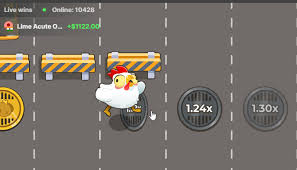
Chicken Road is an online game that blends elements of casual gaming with a competitive twist. Designed for mobile and desktop use, it allows players to race against each other while claiming rewards in the form of virtual currency. The game has colorful graphics, simple mechanics, and a community-driven approach, which makes it appealing to a broad audience, including children and adults alike. But beyond its playful exterior, many users are questioning whether it is legitimate and safe to play.
Gameplay Mechanics

Chicken Road offers an engaging experience with easy to understand mechanics. Players navigate through different terrains, collecting items and racing against others. The game emphasizes skillful maneuvering, enabling players to showcase their capabilities in a fun, relaxed environment. What sets it apart from other games is its incorporation of unique power-ups and customizable characters, which keep players returning for more. However, with the fun gameplay comes the important question of security and trustworthiness.
Assessing Legitimacy
Determining if Chicken Road is legitimate requires a multidisciplinary approach that looks at various factors, including:
- Licensing and Regulation: Legitimate online games typically operate under strict regulations, ensuring they are fair and secure. Checking if Chicken Road is licensed by a recognized gaming authority can help ascertain its legitimacy.
- User Reviews and Testimonials: A solid method for gauging legitimacy involves searching for user opinions and reviews. While many players praise Chicken Road for its engaging gameplay, there are also some red flags, such as reports of account hacking and issues with withdrawals.
- Technical Security: An honest gaming company invests in advanced security measures, such as SSL encryption and secure payment processing, to protect users’ personal and financial information.
Comparing Chicken Road to Established Casinos
To offer a balanced view, it’s essential to compare Chicken Road to more established online casinos and gaming platforms. Reputable casinos often have robust customer service, clear terms and conditions, and transparent gambling practices. Players can easily withdraw winnings, and there’s usually a community of players with whom they can interact. Chicken Road, while offering a fun experience, appears to lack these mature features, raising questions about its overall trustworthiness.

User Experiences and Feedback
While some players enjoy Chicken Road’s gameplay, others have reported concerning experiences. The range of feedback includes:
- Positive Experiences: Many users appreciate the casual gaming environment, unique characters, and the fun of racing against friends.
- Negative Feedback: Some players have shared experiences of being unable to withdraw their earnings, experiencing bugs in the game, or even encountering phishing attempts. These reports warrant caution for potential new users.
Conclusion: Is Chicken Road Legit or a Risky Game?
In conclusion, the legitimacy of Chicken Road remains a nuanced issue. While the game offers delightful gameplay and has captured the interest of many, there are valid concerns surrounding its security and trustworthiness. Prospective players should weigh the fun of the game against the risks involved, including the potential for account issues and inadequate support.
Ultimately, if you decide to explore Chicken Road, proceed with caution. Consider starting with small investments and constantly monitor both your gaming experience and the platform’s legitimacy as you play. Stay informed and ensure that your gaming environment remains safe and enjoyable.